Energy Efficiency & Summer Heat.
A comfortable, efficient home comes down to insulation, air sealing, and keeping the sun’s heat out — and at altitude the sun is intense. Here’s what we note, where homes lose energy, and what you can improve.
What we note during an inspection
A home inspection isn’t a formal energy audit, but we note the conditions that most affect comfort and efficiency.
✓ Attic insulation
We note insulation type, approximate depth, and coverage where the attic is accessible.
✓ Air leakage points
We look for obvious gaps around penetrations and at the attic hatch.
✓ Windows & doors
We note type and condition, weatherstripping, and failed (fogged) double-pane seals.
✓ Duct insulation
We check visible ducts in unconditioned spaces for insulation and leakage.
✓ Ventilation & moisture
We look for signs of poor ventilation that hurt comfort and air quality.
✓ Solar exposure
We note south- and west-facing exposures most affected by intense high-altitude sun.
Common problems we find
✓ Under-insulated attics
A top source of both energy loss and ice dams in our climate.
✓ Air leaks
Gaps at can lights, plumbing and wiring penetrations, and the attic hatch.
✓ Tired windows & seals
Worn weatherstripping and fogged double panes that have lost their seal.
✓ Uninsulated ducts
Ducts running through hot attics or cold crawlspaces without insulation.
✓ Solar overheating
Rooms on the sun-exposed sides that overheat in summer at altitude.
✓ Old single-pane windows
A significant comfort and efficiency drag in older homes.
What you can improve yourself
✓ Air-seal, then insulate
Seal attic air leaks before adding insulation, and top up the attic to recommended levels.
✓ Refresh weatherstripping
Re-caulk and re-strip around windows and doors each year.
✓ Block the summer sun
Use shades or coverings on south/west windows, and consider exterior shading or awnings.
✓ Move air
Run ceiling fans and ventilate in the evening when mountain air cools.
✓ Keep HVAC efficient
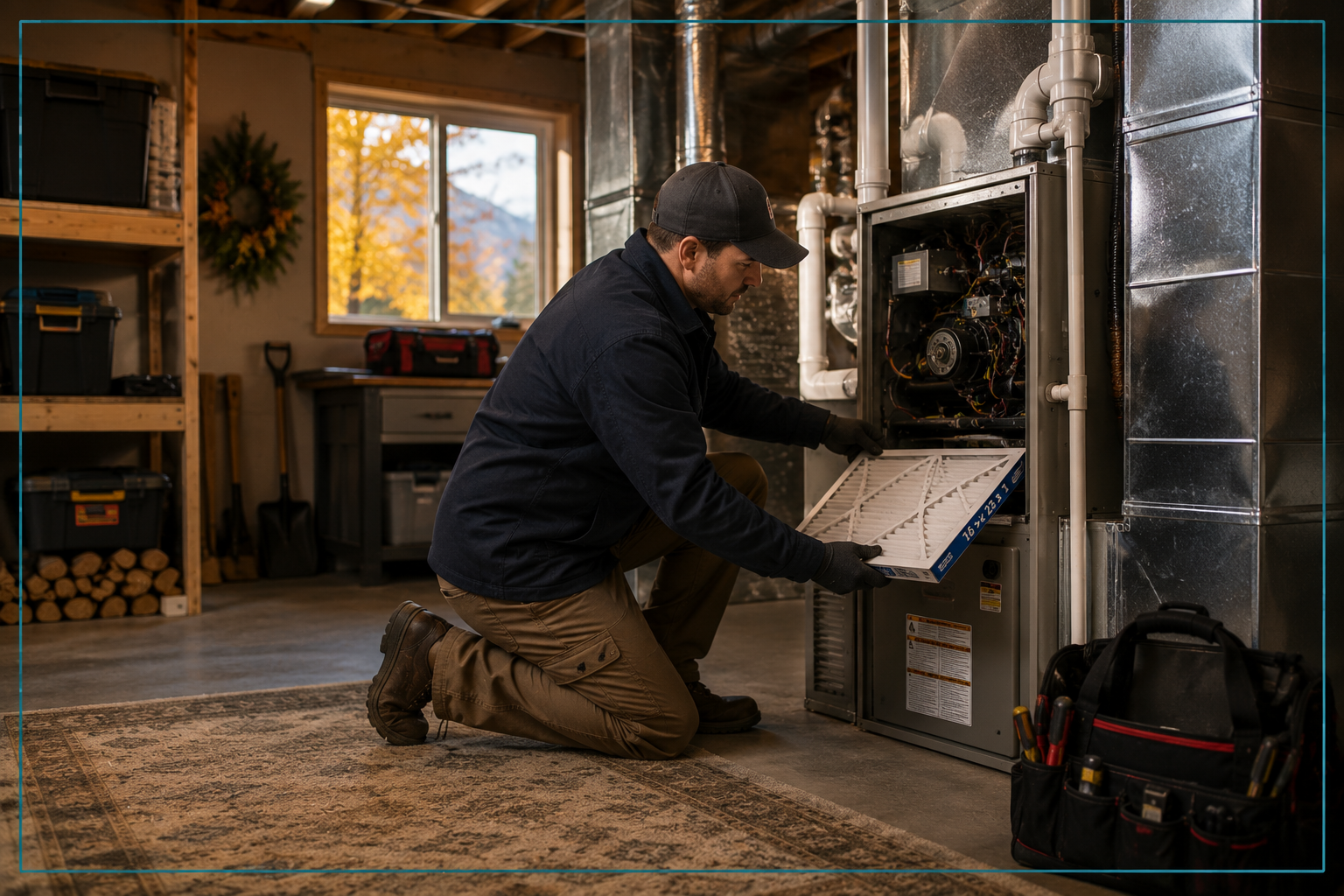
Fresh filters and annual service keep the system from overworking.
✓ Consider an energy audit
A blower-door test gives the full picture if comfort or bills are a concern.
Efficiency in a high-altitude climate
✓ Huge daily temperature swings
Forty-degree swings between afternoon and dawn are normal here. Homes with decent mass and sealing ride the swing; leaky ones chase it with the furnace and AC all day.
✓ The sun is your heater — and enemy
At altitude, south glazing gains real heat in January and roasts rooms in July. Overhangs, deciduous shade, and exterior blinds tame the same windows season by season.
✓ Dry air changes comfort
Single-digit winter humidity makes 68°F feel colder and shrinks trim and floors. A humidifier helps comfort and wood alike — but oversized ones cause window condensation we get called about.
✓ Utility rebates are generous
Xcel and many Front Range co-ops rebate insulation, air sealing, heat pumps, and audits. An efficiency project here often pays twice — lower bills plus a rebate check.
Common questions
How much attic insulation does a Colorado home need?
Current guidance for our climate zone is roughly R-49 to R-60 — about 14 to 20 inches of blown insulation depending on material. Many older Front Range homes have half that. If you can see the ceiling joists, you’re under-insulated, and topping up is one of the best-payback projects a homeowner can do.
What should I do first: new windows or air sealing?
Air-seal and insulate first — it usually costs a tenth as much and saves more. Sealing attic penetrations, the attic hatch, and rim joists closes the gaps that actually leak heat. Replace windows when they’re failed (fogged panes, rot) or single-pane; “energy savings” alone rarely pays for whole-house replacement.
Why is one room always hot in summer and cold in winter?
Usually some mix of duct runs that are too long or leaky, missing insulation in that section, and sun exposure. Bonus rooms over garages are the classic case — three exposed sides, thin floor insulation, and the longest duct run in the house. Duct sealing plus a register adjustment often fixes more than new equipment.
Are fogged windows a big problem?
A fogged double-pane means the seal failed and the insulating gas is gone — the window still works, but you’ve lost some efficiency and the haze is permanent. It’s a glass-unit replacement, not necessarily a whole window. We note every failed seal we can see; buyers routinely use the list for glass-shop quotes.
Is a professional energy audit worth it?
If comfort or bills bother you, yes — a blower-door test and infrared scan find the specific leaks instead of guessing, typically for $200–$500 on the Front Range, often rebated. Bring the report to any insulation contractor and you’re bidding a scoped job rather than a sales pitch.
This guide is for general education. It reflects what we look for during a home inspection, not a substitute for a licensed professional. If you have a specific concern, please contact a qualified energy auditor or HVAC professional — and of course, we’re always happy to take a look during an inspection.
More from our guides
Home Maintenance, Season by Season
A spring-through-winter checklist tuned for Front Range homes.
Read →Radon in Colorado
Why half of Colorado homes test high, county-by-county numbers, and what testing and mitigation really cost — with sources.
Read →Plumbing
Plumbing issues are some of the most common — and most expensive — problems we find. Here’s what we actually look at during an inspection, what tends to go wrong, and what you can stay ahead of yourself.
Read →Concerned about your energy efficiency & summer heat?
We’ll give your home a thorough, plain-English inspection and flag anything worth a closer look.