Your home, season by season.
We inspect hundreds of Front Range homes a year. This is the upkeep that actually prevents the problems we find most — organized by season, with the mountain-specific tasks the national checklists skip.
A home is the biggest thing most of us will ever own, and the difference between a small fix and an expensive one is almost always a little attention at the right time. You don't need to do everything at once — just the right things each season. Keep this guide handy, and reach out anytime if you'd like a second set of eyes.
— Harry Foster, Inspectrum Inspections
Thaw, water, and what winter left behind
Spring is when water shows you every shortcut the house took over winter. Snowmelt finds clogged gutters, tired caulk, and hairline foundation cracks fast — so this is the season to get ahead of water before it gets inside.
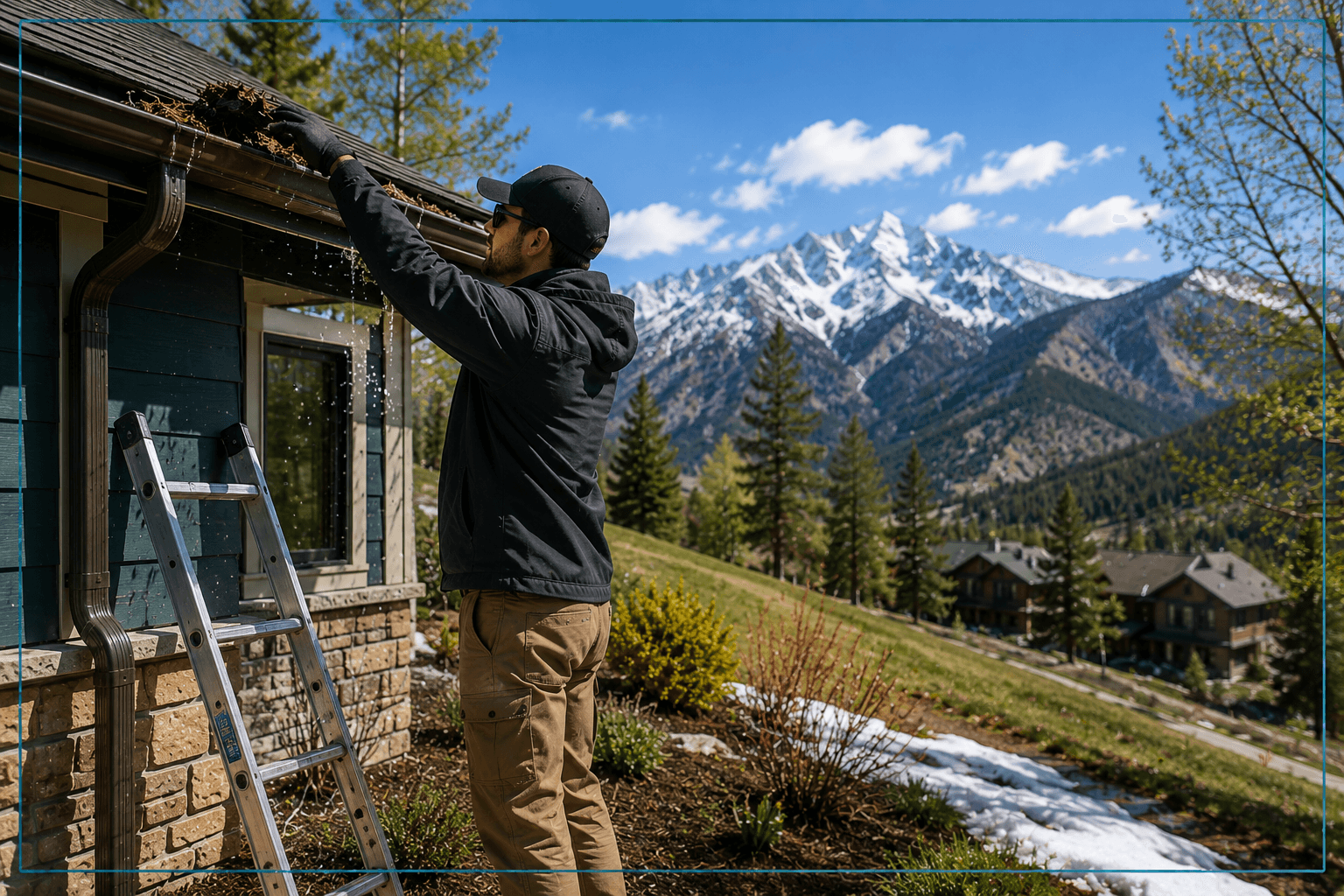
✓ Clear gutters and downspouts
Flush out winter debris and confirm downspouts carry water at least 4–6 feet away from the foundation. This is the single best defense against a wet basement.
✓ Inspect the roof
From the ground or with binoculars, look for missing or lifted shingles, damaged flashing, and granules in the gutters — all signs winter took a toll.
✓ Service the AC early
Have cooling serviced before the first hot stretch. At altitude your system works harder, and early service catches small issues before peak-season backlogs.
✓ Reseal exterior gaps
Re-caulk around windows, doors, and trim where freeze-thaw opened gaps. Touch up exterior paint to keep moisture out of the wood.
✓ Test the sump pump
Pour a bucket of water into the pit and confirm the pump kicks on and drains. Spring is the worst time to discover it failed.
✓ Start your defensible space
Front Range: rake pine needles and dead vegetation out of the first 5 feet around the house and deck as soon as the snow clears — the highest-impact wildfire step you can take.
Heat, sun, and the great outdoors
Summer is the season for the exterior. Intense high-altitude sun is hard on finishes, decks, and roofing, and the long dry stretches make fire safety and a few quiet fire-prevention chores worth your attention.

✓ Clean the dryer vent
Lint buildup in the dryer duct is a leading cause of appliance house fires. Disconnect, vacuum the line, and clear the exterior vent flap.
✓ Inspect and reseal the deck
Check for loose boards, popped fasteners, and wobbly railings, then reseal. Mountain sun and snow cycles age decks faster than most owners expect.
✓ Wash and check siding
Rinse off dust and pollen and look for cracked, warped, or sun-faded sections — especially on south and west exposures that take the most UV.
✓ Test safety devices
Press-test every smoke and carbon-monoxide detector and your GFCI outlets. Replace any detector older than 10 years.
✓ Trim back vegetation
Keep branches and shrubs from touching the house and roofline — good for moisture, pests, and fire alike.
✓ Tend your defensible zones
Front Range: keep Zone 1 (0–5 ft) free of anything flammable and thin vegetation through Zone 2 (5–30 ft) to lower fire intensity near the home.
Button the house up before the cold
Fall is preparation season. A few hours now — on the furnace, the gutters, and the outdoor plumbing — prevents the cold-weather emergencies we get the most frantic calls about.
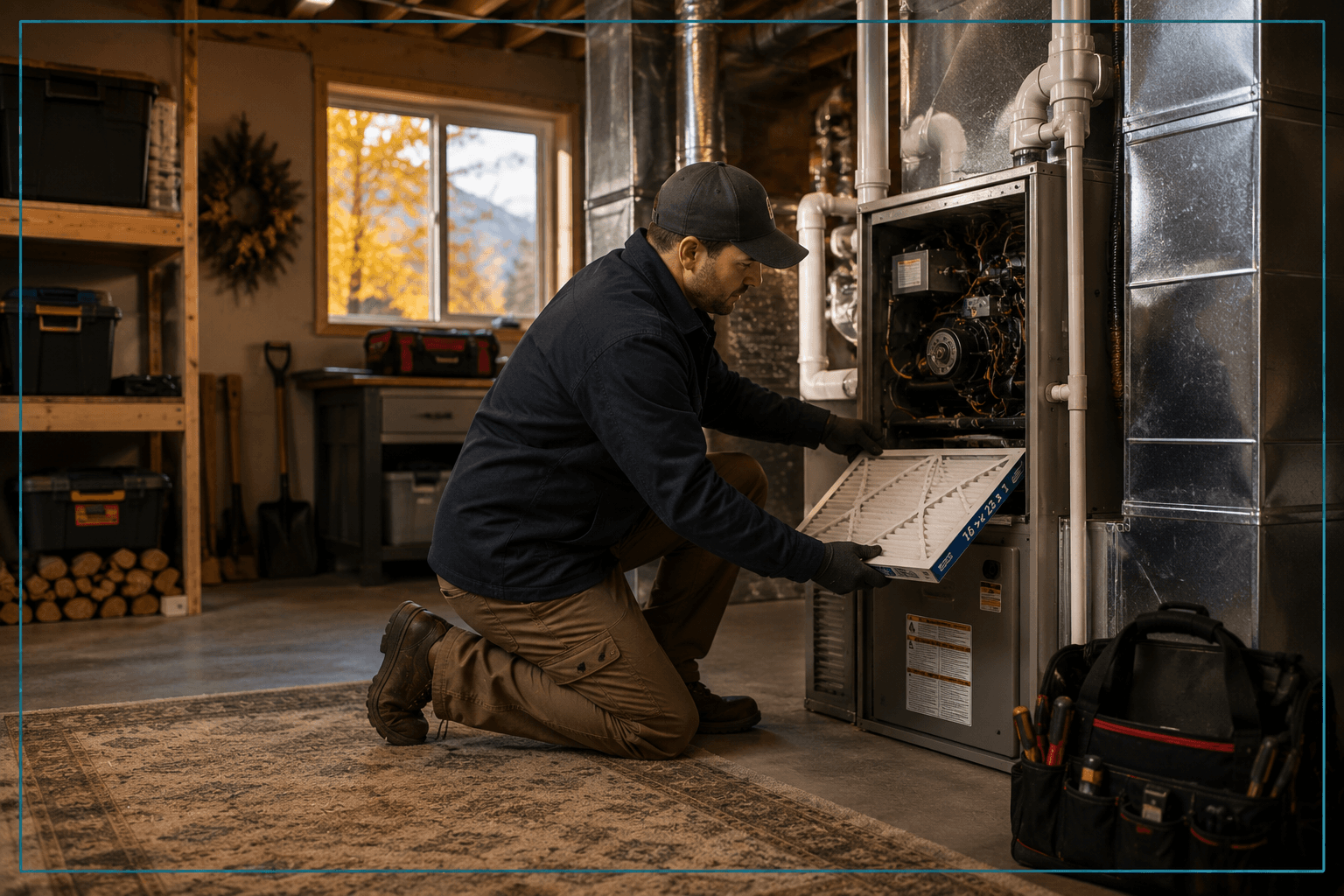
✓ Service the heating system
Have the furnace or heat pump professionally serviced and put in a fresh filter. At altitude these systems run harder all winter — start the season clean.
✓ Clean gutters after leaf drop
A second cleaning once the leaves are down keeps meltwater flowing and is your first line of defense against ice dams.
✓ Winterize outdoor plumbing
Disconnect and drain hoses, shut off and drain exterior spigots, and insulate any exposed pipes before the first hard freeze.
✓ Seal the envelope
Add weatherstripping, seal attic air leaks, and top up attic insulation. It cuts heating bills and helps prevent the warm-roof conditions that cause ice dams.
✓ Inspect the fireplace and flue
If you burn wood, have the chimney inspected and swept, and confirm the damper seals.
✓ Schedule a radon retest
Front Range: the EPA recommends retesting every two years, even after a low result. Fall is a natural time to book one. See our radon prep guide. Radon prep guide →
Protect against snow, ice, and frozen pipes
Winter maintenance is mostly vigilance — watching the roof, the pipes, and the heat. The goal is simply to catch snow load, ice, and freeze risk before any of them turn into damage.
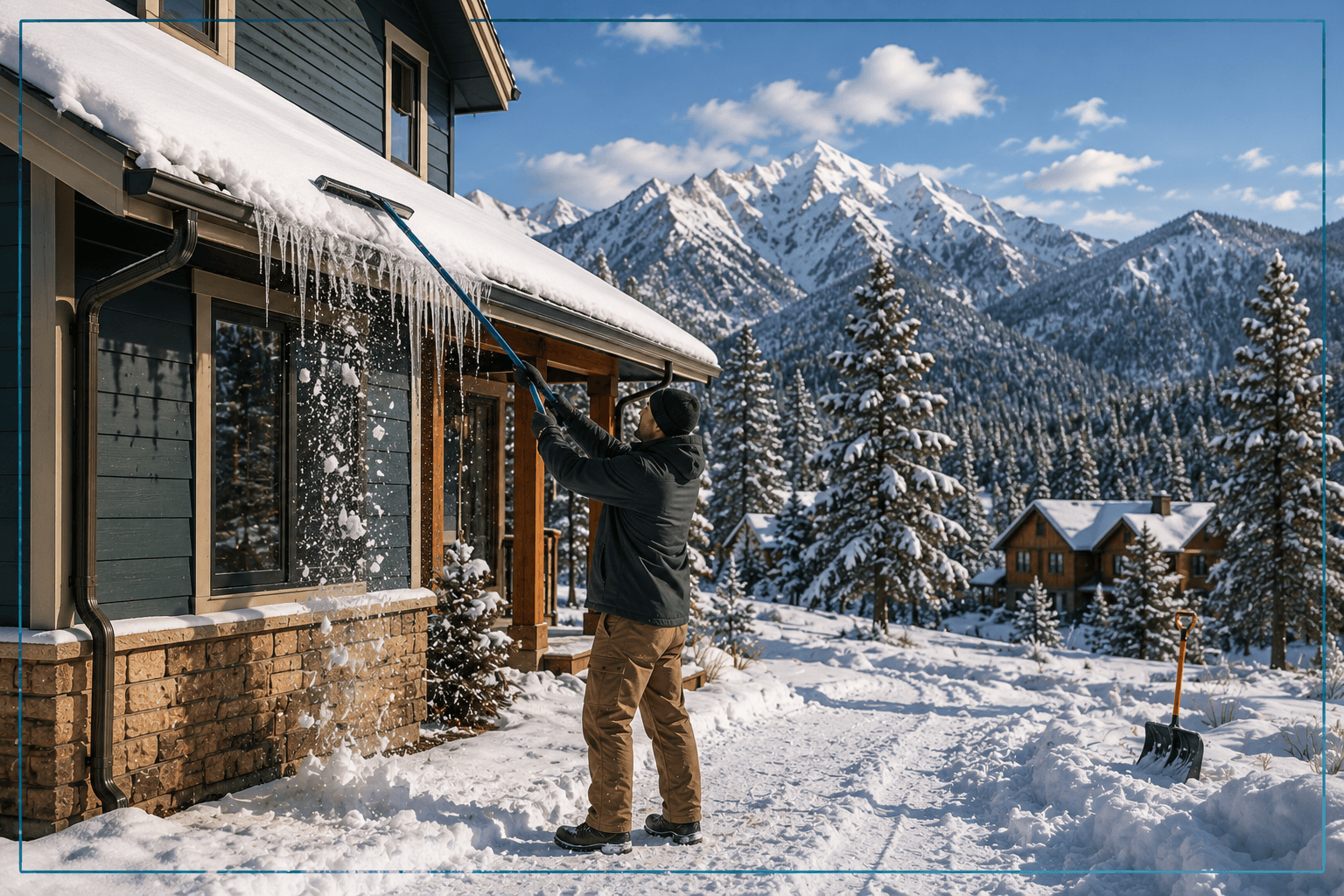
✓ Watch for ice dams
After heavy snow, rake the lower roof edge and keep gutters clear. Ice dams back meltwater up under the shingles and into the ceilings below.
✓ Guard against frozen pipes
Keep the house at 55°F or above, open cabinet doors on exterior walls, and let faucets drip during deep cold snaps to keep water moving.
✓ Monitor snow load
Keep an eye on decks, porch roofs, and any flat sections during big storms, and watch for long icicles forming over entries and walkways.
✓ Test detectors monthly
Heating season is when carbon-monoxide risk peaks — test smoke and CO alarms monthly and keep a charged extinguisher handy.
✓ Keep vents and exhausts clear
Make sure furnace intake/exhaust vents, the dryer vent, and any high-efficiency terminations stay clear of drifting snow.
✓ Mind the altitude
Front Range: combustion appliances work harder in thin, cold air. If the furnace short-cycles or struggles, call for service early rather than mid-storm.
More from our guides
Radon in Colorado
Why half of Colorado homes test high, county-by-county numbers, and what testing and mitigation really cost — with sources.
Read →Plumbing
Plumbing issues are some of the most common — and most expensive — problems we find. Here’s what we actually look at during an inspection, what tends to go wrong, and what you can stay ahead of yourself.
Read →Electrical
Electrical problems are among the most safety-critical things we find — and often the least visible. Here’s what we check, the red flags we look for, and what you can safely keep an eye on yourself.
Read →Want a professional once-over?
Whether you're buying, selling, or just want peace of mind on the home you're in, we'll give it a thorough, plain-English inspection.