Plumbing.
Plumbing issues are some of the most common — and most expensive — problems we find. Here’s what we actually look at during an inspection, what tends to go wrong, and what you can stay ahead of yourself.
What we check during an inspection
A home inspection is a visual, non-invasive review — here’s the plumbing we evaluate and report on.
✓ Supply lines & water pressure
We run fixtures to check functional flow and pressure, and note the pipe materials we can see (copper, PEX, galvanized, or a mix).
✓ Drains, waste & venting
We watch sinks, tubs, and showers drain and look for slow drainage, leaks at traps, and improper connections.
✓ Water heater
We note the unit’s age, capacity, and type, and check the temperature-pressure relief (TPR) valve and discharge line, connections, and venting.
✓ Fixtures & toilets
We operate faucets and flush toilets, looking for leaks, loose mounting, and fixtures that run or drip.
✓ Shutoffs
We locate and identify the main water shutoff and note visible fixture shutoffs so you know where they are.
✓ Signs of leaks
We look for active drips plus the evidence of past leaks — stains, corrosion, mineral buildup, and water damage under and around plumbing.
The underground sewer line isn’t visible during a standard inspection — that’s what our sewer-scope add-on is for.
Common problems we find
✓ Hidden, slow leaks
Drips under sinks or behind walls that quietly cause rot and mold long before anyone notices.
✓ Aging water heaters
Units past their ~10–12 year lifespan, or a missing/improper TPR discharge line — a real safety concern.
✓ Mixed or outdated piping
Galvanized steel that’s corroding from the inside, or patchwork repairs joining incompatible materials.
✓ Poor drainage
Slow drains, improper slope, or “S-traps” that can siphon and let sewer gas in.
✓ Freeze damage
On the Front Range, pipes in unconditioned spaces can freeze and burst — we look for past repairs and at-risk runs.
✓ Pressure problems
Water pressure that’s too high (no regulator) stresses the whole system; too low points to supply or corrosion issues.
What you can maintain yourself
✓ Know your main shutoff
Find it before you need it. In an emergency, shutting the water off fast is the difference between a mop and a remodel.
✓ Flush the water heater yearly
Draining sediment annually extends its life and efficiency. Note its age — if it’s past 10 years, start planning.
✓ Winterize before the freeze
Disconnect and drain hoses, insulate exposed pipes, and let faucets drip during deep cold snaps.
✓ Check under sinks
A quick look for moisture, swelling, or musty smell every few months catches slow leaks early.
✓ Be kind to your drains
Keep grease out, use strainers, and skip the chemical drain cleaners — they damage pipes over time.
✓ Watch the water bill
An unexplained jump is often the first sign of a hidden leak. Trust it and investigate.
Plumbing on the Front Range
Our climate and geology give Colorado plumbing a few quirks of its own.
✓ Freeze cycles are brutal
Foothills homes see hard freezes from October into May. Pipes in exterior walls, crawlspaces, and garages are the first casualties — we pay special attention to those runs and to hose bibs that aren’t frost-free.
✓ Hard water is the norm
Front Range water carries a lot of dissolved mineral. Expect scale on fixtures, shortened water-heater life, and crusty shutoff valves that seize if never exercised. A softener isn’t mandatory, but flushing the water heater matters more here.
✓ Wells change the picture
Many homes around Evergreen and Conifer are on private wells — pressure tanks, sediment filters, and treatment gear all become part of the plumbing story, and flow testing is worth adding when you buy.
✓ Old mountain cabins improvise
Summer cabins converted to year-round homes often carry decades of improvised plumbing — undersized lines, buried junctions, and heat tape doing structural work. We slow down in those homes.
Common questions
How long do water heaters last in Colorado?
Plan on 10–12 years for a standard tank water heater — often on the shorter end here because Front Range hard water builds sediment faster. If the unit is past 10 years, budget for replacement; if it’s past 15, replace it on your schedule instead of waiting for it to fail on its own.
How do I keep my pipes from freezing in Colorado?
Before the first hard freeze: disconnect hoses, drain irrigation, insulate pipes in crawlspaces and garages, and keep the house above roughly 55°F even when away. During deep cold snaps, open cabinet doors on exterior-wall sinks and let vulnerable faucets drip overnight. Frozen pipes usually burst where pipes pass through unheated space.
What pipe materials are a problem in older homes?
Galvanized steel (common pre-1970) corrodes shut from the inside and causes low pressure and rusty water — most insurers and lenders treat it as end-of-life. Polybutylene (late 70s–mid 90s) is failure-prone. Copper and PEX are what we like to see; a mix of materials usually means piecemeal repairs worth a closer look.
Does a home inspection check the sewer line?
Not the underground portion — a standard inspection is visual, and the sewer lateral is buried. That’s exactly what a sewer scope is for: a camera run from the cleanout to the main. On Front Range homes older than about 30 years, or any home with big trees, we strongly recommend adding one.
Is low water pressure a big deal?
It depends on the cause. Whole-house low pressure in an older home often means corroded galvanized supply lines — a re-pipe conversation. Low pressure at one fixture is usually a clogged aerator or a bad valve. High pressure (over ~80 psi) is its own problem: it strains every connection and appliance, and a $150 pressure regulator fixes it.
This guide is for general education. It reflects what we look for during a home inspection, not a substitute for a licensed professional. If you have a specific concern, please contact a licensed plumber — and of course, we’re always happy to take a look during an inspection.
More from our guides
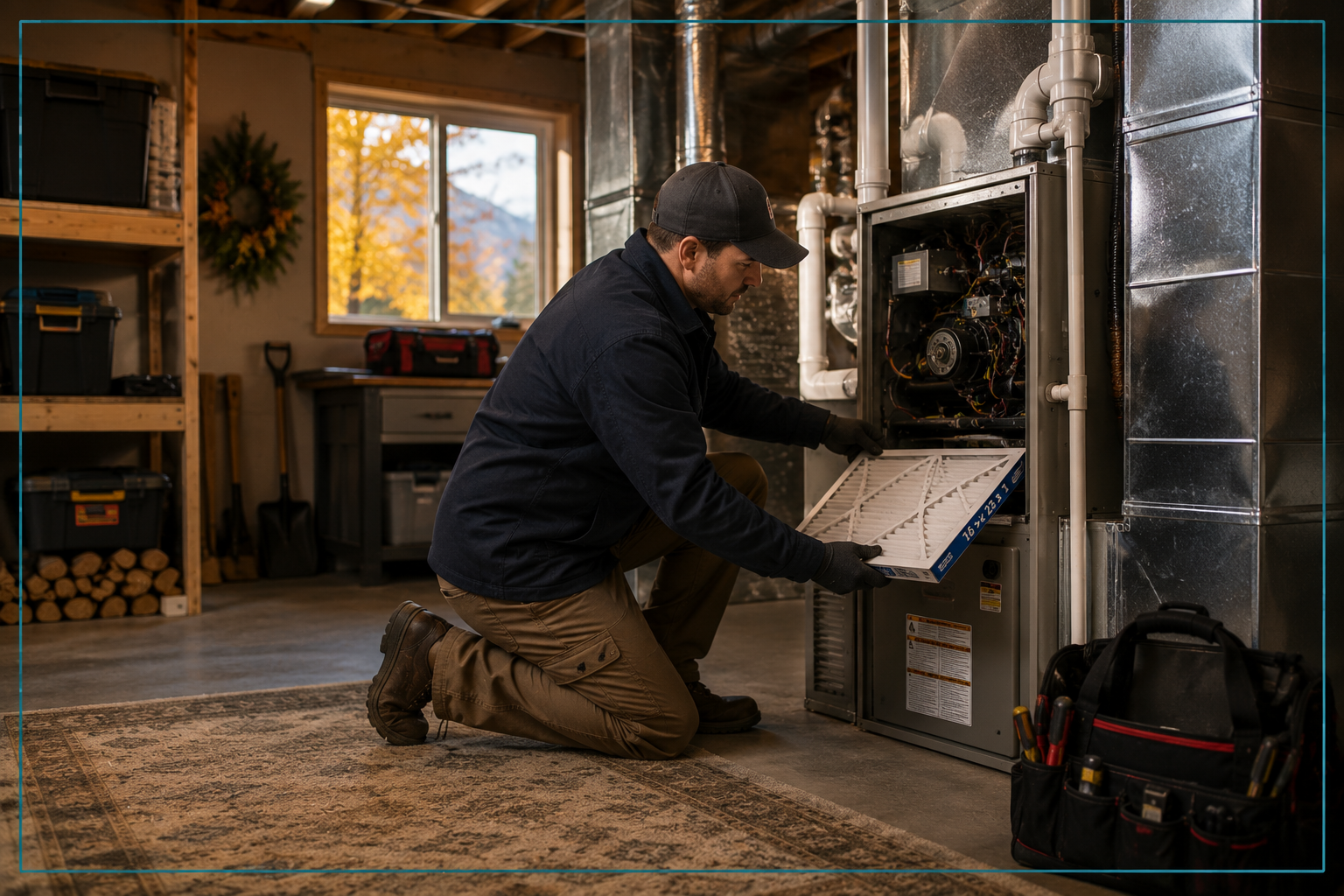
Home Maintenance, Season by Season
A spring-through-winter checklist tuned for Front Range homes.
Read →Radon in Colorado
Why half of Colorado homes test high, county-by-county numbers, and what testing and mitigation really cost — with sources.
Read →Electrical
Electrical problems are among the most safety-critical things we find — and often the least visible. Here’s what we check, the red flags we look for, and what you can safely keep an eye on yourself.
Read →Concerned about your plumbing?
We’ll give your home a thorough, plain-English inspection and flag anything worth a closer look.