Foundation & Structure.
The foundation and frame hold everything else up, so structural concerns are among the most consequential we report. Here’s what we check, the warning signs we look for, and what you can monitor between inspections.
What we check during an inspection
We evaluate the visible, accessible structure and the conditions that most affect it.
✓ Foundation walls & floor
We look for cracks, movement, moisture, and signs of prior repair in the visible foundation.
✓ Framing & supports
Where visible (basement/crawlspace), we check posts, beams, and joists for sagging, damage, or modification.
✓ Floors & walls
Out-of-level floors, sticking doors, and drywall cracks can all point to movement.
✓ Settlement signs
We watch for differential settlement — one part of the home moving relative to another.
✓ Grading & drainage
Because soil moisture drives movement, we check how water is managed around the foundation.
✓ Prior repairs
We note piers, carbon-fiber straps, sealed cracks, and other evidence of past structural work.
Common problems we find
✓ Foundation cracks
We distinguish cosmetic hairline cracks from wider, stair-step, or displaced cracks that suggest movement.
✓ Differential settlement
Common with the Front Range’s expansive clay soils, which swell and shrink with moisture.
✓ Bowing basement walls
Lateral soil pressure pushing walls inward over time.
✓ Sagging floors
Undersized, damaged, or modified framing letting floors deflect.
✓ Moisture undermining footings
Poor drainage washing out or softening soil that supports the foundation.
✓ DIY structural changes
Cut or removed framing from past projects done without engineering.
What you can monitor yourself
✓ Manage water first
Grading, gutters, and downspouts that move water away are the best foundation insurance.
✓ Keep soil moisture steady
In drought, consistent foundation watering helps prevent expansive-soil shrinkage.
✓ Watch for changes
New or widening cracks, sticking doors, and sloping floors are worth noting and dating.
✓ Don’t cut framing
Never notch or remove structural members without a professional.
✓ Address moisture below
Keep basements and crawlspaces dry to protect the structure.
✓ Call an engineer for movement
Active or accelerating movement warrants a structural engineer’s evaluation.
Expansive soils: the Front Range foundation story
Much of the Denver metro sits on bentonite-bearing clay that swells when wet and shrinks when dry — the defining structural factor in this region.
✓ Why the soil moves
Bentonite clay can change volume dramatically with moisture. A wet spring after a dry winter cycles the soil under footings — that’s the engine behind most differential settlement we see.
✓ Moisture management is structural
On expansive soil, gutters, downspout extensions, and grading aren’t cosmetic — they ARE the foundation-protection system. Consistent moisture beats dry-then-soaked every time.
✓ Look for the local tells
Interior doors that stick seasonally, drywall cracks above door corners, and cracks that open and close through the year all point to soil movement rather than one-time settling.
✓ Engineered fixes are standard here
Front Range contractors install piers, helical piles, and wall braces routinely, and past repairs aren’t a red flag by themselves — undocumented ones are. Ask for the engineer’s letter.
Common questions
Are foundation cracks in Colorado homes normal?
Hairline vertical cracks from concrete shrinkage are nearly universal and mostly cosmetic. What earns a structural engineer referral: cracks wider than about 1/4", horizontal cracks, stair-step cracking in block, displacement (one side proud of the other), or any crack that’s visibly growing. Photograph and date suspicious cracks — the trend is the diagnosis.
What are expansive soils and why do they matter?
Clays containing bentonite swell when they absorb water and shrink as they dry. Large areas of the Denver metro and foothills sit on them. The cycle lifts and drops foundations unevenly, which is why Front Range homes prize drainage, why floating basement floors exist here, and why “water the foundation in drought” is real local advice.
Should I water my foundation in a drought?
On expansive clay, keeping soil moisture consistent prevents the shrink phase of the swell-shrink cycle. In extended dry spells, a soaker hose 12–18 inches from the foundation, run briefly a few times a week, is the standard local practice. The goal is even, modest moisture — never soaking, never bone dry.
Do sticking doors mean foundation problems?
Sometimes — and sometimes it’s just our humidity swings moving the wood. The signal is in the pattern: one door in humid weather is the door; several doors on the same wall, with drywall cracks and sloping floor, is movement. Seasonal stick-and-release is characteristic of expansive-soil homes and worth tracking, not panicking over.
When do I actually need a structural engineer?
When there’s evidence of ongoing movement: growing or displaced cracks, doors newly out of square, sloping floors, bowing basement walls. An engineer’s evaluation on the Front Range typically runs $400–$800 and produces a stamped letter — which is also exactly what you want in hand (or want the seller to provide) in a real-estate negotiation.
This guide is for general education. It reflects what we look for during a home inspection, not a substitute for a licensed professional. If you have a specific concern, please contact a structural engineer — and of course, we’re always happy to take a look during an inspection.
More from our guides
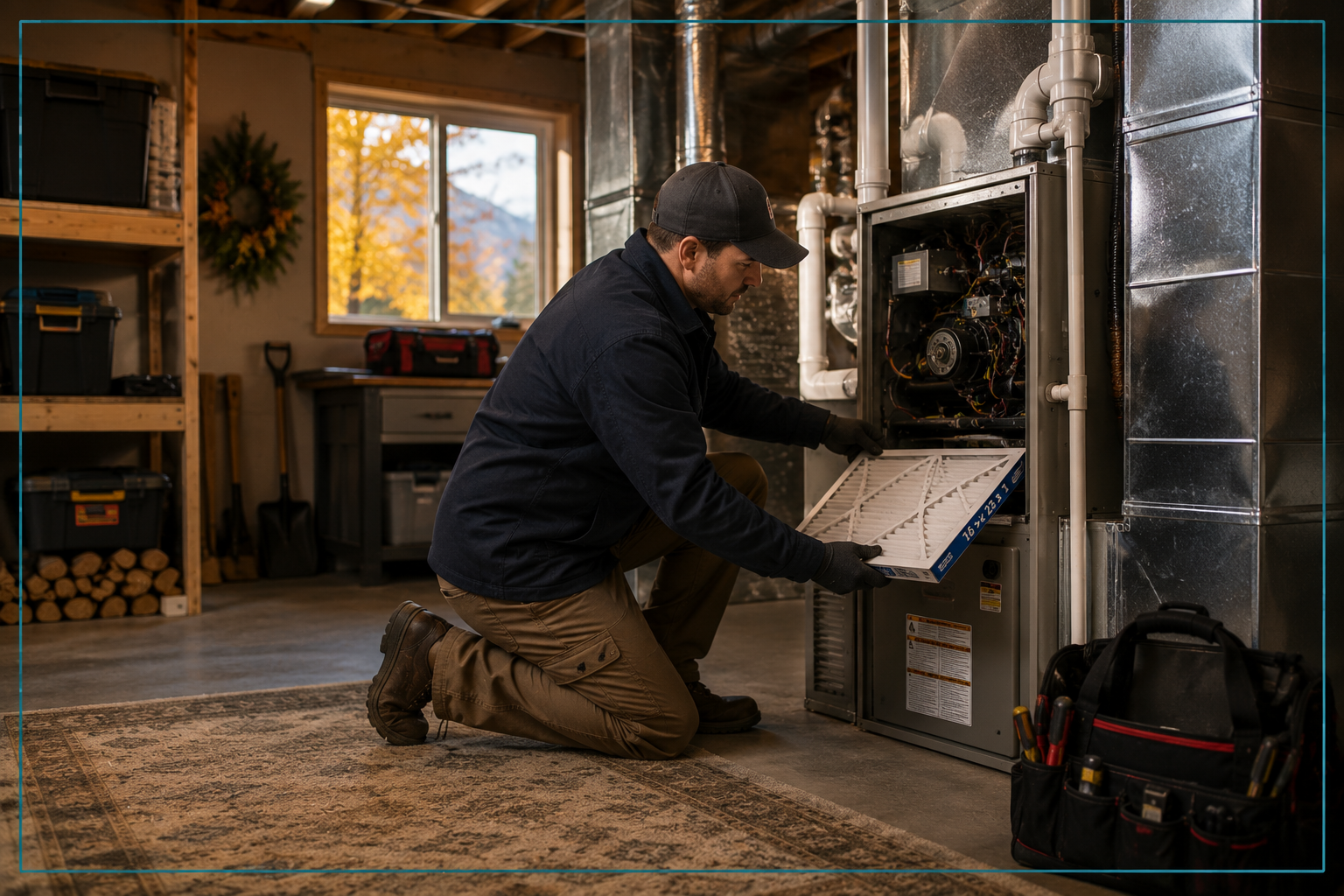
Home Maintenance, Season by Season
A spring-through-winter checklist tuned for Front Range homes.
Read →Radon in Colorado
Why half of Colorado homes test high, county-by-county numbers, and what testing and mitigation really cost — with sources.
Read →Plumbing
Plumbing issues are some of the most common — and most expensive — problems we find. Here’s what we actually look at during an inspection, what tends to go wrong, and what you can stay ahead of yourself.
Read →Concerned about your foundation & structure?
We’ll give your home a thorough, plain-English inspection and flag anything worth a closer look.