Mountain Living.
Owning a home in the Colorado foothills is a different kind of homeownership — wells and septic, wood heat, snow load, wildfire, and the occasional bear on the deck. Here’s what we pay attention to in mountain homes around Evergreen and the Front Range, and what living up here actually takes.
What we check in mountain homes
Foothills homes have systems you won’t find in the city. Here’s where we focus — though wells, septic, and chimneys each have dedicated specialist inspections too.
✓ Well & water systems
Many mountain homes are on a private well. We note the visible well equipment, pressure tank, and any treatment — water-quality and flow testing is a separate specialist service.
✓ Septic systems
Where present, we note visible components and conditions; a dedicated septic inspection (and pump) is its own service.
✓ Wood stoves & fireplaces
We check solid-fuel appliances, hearth clearances, and visible flue and chimney condition.
✓ Roof & snow load
Steep pitches, snow-shedding patterns, and the extra wear heavy snow puts on roofs, gutters, and decks.
✓ Heating & fuel
Many areas have no natural gas — we note propane tanks and lines and how the home stays warm.
✓ Wildfire exposure
Defensible space, ignition-resistant materials, and the ember-vulnerable spots around the home.
Common problems we find
✓ Undocumented well/septic
Systems with no recent service records or unclear maintenance history.
✓ Wood stove clearances
Solid-fuel appliances without proper clearances or with a flue overdue for inspection.
✓ Access & driveways
Steep grades, drainage washouts, and driveways that are tough to keep open in winter.
✓ Thin defensible space
Vegetation and debris too close to the home for wildfire safety.
✓ Snow & ice damage
Ice dams, strained gutters, and heavy snow load on decks and porch roofs.
✓ Power resilience
Outages are common up here, yet many homes have no backup heat or generator — a real concern with a well pump.
What living up here takes
✓ Tend the well & test water
Service the well and test the water periodically, and keep the records — they matter at resale.
✓ Stay on the septic schedule
Pump and inspect the septic on schedule (often every few years, depending on use).
✓ Sweep the chimney
Have wood stoves and chimneys swept and inspected before each heating season.
✓ Keep defensible space
Clear the first 5 feet of flammables and thin vegetation from 5–30 feet, year-round.
✓ Plan for snow
Rake roof edges, keep vents and exhausts clear, and stay ahead of the driveway.
✓ Prepare for outages
Backup heat, stored water, and a generator are worth it — especially if your water depends on an electric pump.
✓ Test for radon
Colorado’s mountain geology tends to run high — retest every couple of years.
Common questions
What extra inspections does a mountain home need?
Beyond the standard inspection: a well flow-and-quality test, a septic inspection with pumping (many Colorado counties require a certified septic inspection at transfer), a chimney/wood-stove Level 2 inspection if there’s solid-fuel heat, and radon testing — mountain geology runs high. Roads and driveways deserve a hard look too: winter access is part of the house.
How do wells work for mountain homes?
A drilled well feeds a pump (usually submersible) that pressurizes a tank in the house. Colorado wells are permitted through the Division of Water Resources, and many foothills wells are limited “household-use-only” permits — worth understanding before planning livestock or big irrigation. Test water annually and keep every service record; buyers and lenders ask.
How often should a septic system be pumped?
Typically every 3–5 years for a full-time household, sooner with heavy use or a smaller tank. In much of the foothills, counties require inspection at property transfer (Jefferson County’s use-permit program, for example). The quiet rule of mountain living: nothing goes down the drain that didn’t come out of you or the kitchen faucet.
What should mountain homeowners do about power outages?
Plan for them — foothills outages are routine in wind and snow events. The stakes are higher up here: no power often means no well pump (no water) and no furnace fan (no heat). A transfer-switch generator or battery backup, stored water, and a non-electric heat source turn an outage from an emergency into an inconvenience.
Is snow on the roof something to worry about?
Foothills roofs are engineered for snow load, so depth alone rarely threatens a sound structure. Watch instead for uneven melt (attic heat loss), ice dams at the eaves, snow burying furnace intakes/exhausts and dryer vents, and heavy slides landing on decks and gas meters. A roof rake for the first few feet above the eave prevents most ice-dam trouble.
This guide is for general education. It reflects what we look for during a home inspection, not a substitute for a licensed professional. If you have a specific concern, please contact a qualified local specialist — and of course, we’re always happy to take a look during an inspection.
More from our guides
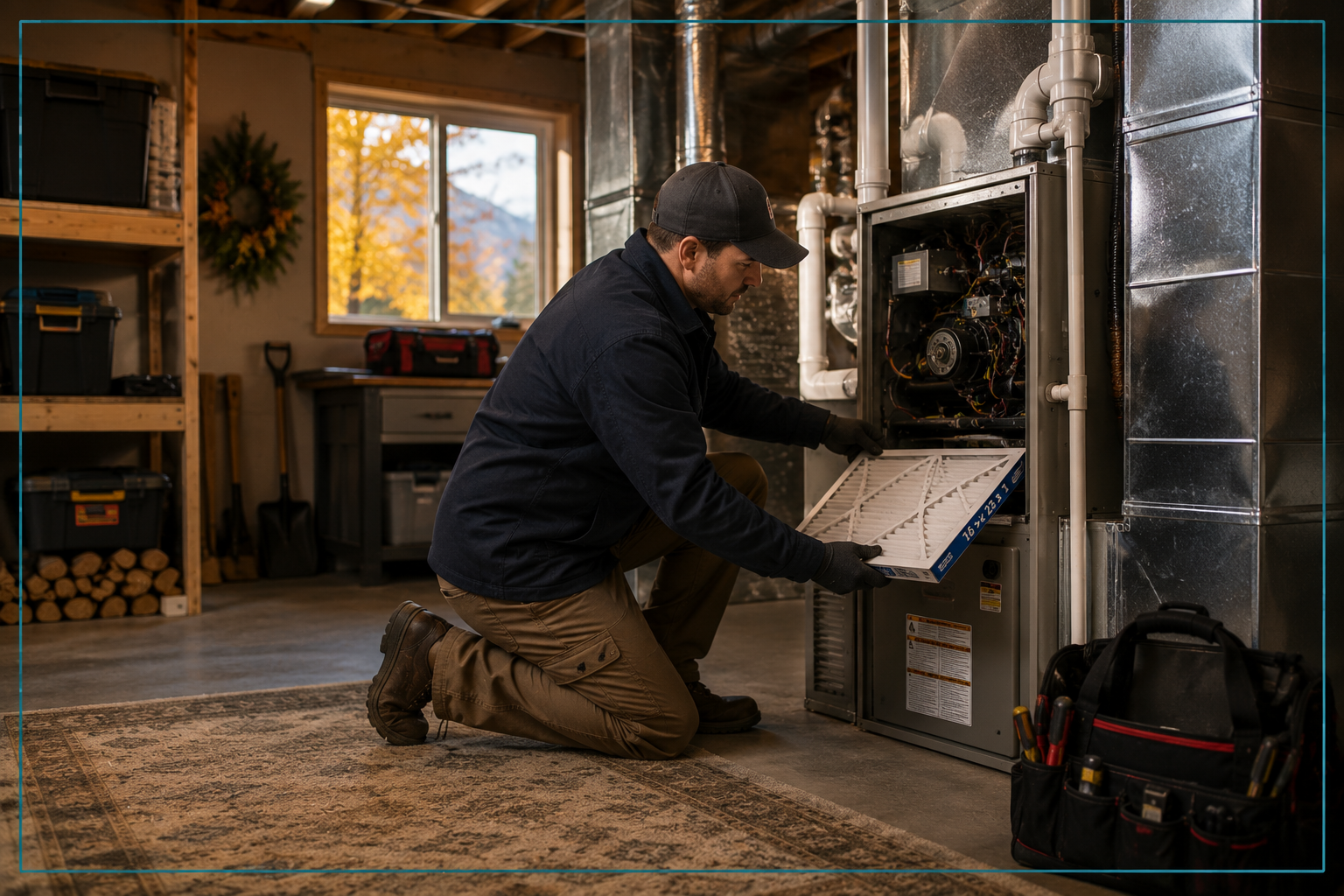
Home Maintenance, Season by Season
A spring-through-winter checklist tuned for Front Range homes.
Read →Radon in Colorado
Why half of Colorado homes test high, county-by-county numbers, and what testing and mitigation really cost — with sources.
Read →Plumbing
Plumbing issues are some of the most common — and most expensive — problems we find. Here’s what we actually look at during an inspection, what tends to go wrong, and what you can stay ahead of yourself.
Read →Concerned about your mountain living?
We’ll give your home a thorough, plain-English inspection and flag anything worth a closer look.