Older & Historic Homes.
Older Front Range homes have real charm — and a few era-specific surprises. Here’s what we pay special attention to in mature homes, and what owners should know.
What we look at closely
Older homes reward a careful eye — here’s where age tends to show up.
✓ Electrical
Knob-and-tube or aluminum wiring, undersized panels, two-prong outlets, and limited capacity.
✓ Plumbing
Galvanized-steel supply lines, possible lead concerns, and aging fixtures.
✓ Era-specific materials
In pre-1980 homes we note materials that may contain asbestos or lead (testing is separate).
✓ Foundation & structure
Decades of settling and the quirks that come with it.
✓ Roof & windows
Age, single-pane glass, and the quality of past repairs.
✓ Updates & permits
How well previous renovations were done — and whether they were permitted.
Common problems we find
✓ Outdated electrical
Knob-and-tube, aluminum branch wiring, or panels that can’t keep up with modern loads.
✓ Corroding plumbing
Galvanized lines closing up from the inside, causing low pressure and discoloration.
✓ Hazardous-era materials
Possible asbestos or lead paint in older homes — test before disturbing them.
✓ Accumulated settling
Sloped floors and structural quirks built up over many decades.
✓ Energy loss
Single-pane windows and thin insulation driving high bills.
✓ Layered renovations
Successive DIY or unpermitted projects stacked on top of each other.
What owners should know
✓ Update key systems
Have older electrical and plumbing evaluated and modernized as needed.
✓ Test before you renovate
Check for asbestos and lead before any work that disturbs old materials.
✓ Budget for big systems
Plan ahead for roof, HVAC, and plumbing nearing end of life.
✓ Improve the envelope
Insulation and air sealing dramatically improve comfort in older homes.
✓ Keep records
Document updates and permits — it pays off at resale.
✓ Use specialists
Older homes reward expert eyes on each major system.
Older homes, Front Range edition
✓ Know your era
Denver’s Victorians (1880s–1910s), post-war brick ranches (40s–50s), and the aluminum-wiring boom years (60s–70s) each fail in signature ways. The build year sets our checklist before we walk in.
✓ Brick and our climate
Freeze-thaw is hard on the soft brick and lime mortar in older Denver homes. Spalling faces and powdering joints mean repointing — with the RIGHT mortar; modern hard mortar damages old brick.
✓ Coal chutes and cisterns
Pre-1940s homes hide converted coal rooms, abandoned cisterns, and gravity-furnace ducting. Charming, mostly harmless — but each one is a moisture or air-sealing hole we check.
✓ Sewer lines age underground
Clay tile laterals from the early 1900s and Orangeburg from the 40s–60s are still in service under older neighborhoods. A sewer scope is non-negotiable due diligence on these homes.
Common questions
Should I be scared of buying a 100-year-old house?
No — but buy it with eyes open. A century home has usually proven its structure; the questions are about systems (wiring, plumbing, sewer), era materials (lead, asbestos), and the quality of the renovations layered on over decades. Budget for the unglamorous systems first; the charm is already paid for.
When was asbestos used in homes?
Roughly the 1920s through the late 1970s, in duct wrap, vermiculite attic insulation, 9x9 floor tiles, popcorn ceilings, siding shingles, and more. Intact, undisturbed materials are generally low-risk; cutting, sanding, or demolishing them is the hazard. Test before renovating anything from that era — Colorado has certified labs and abatement rules.
How do I know if a house still has lead paint?
Assume any pre-1978 home has lead paint somewhere under the layers. It matters most where paint wears or gets disturbed: windows, doors, stairs, and renovations. Federal law requires lead-safe practices (RRP) for contractors working on pre-1978 homes. Testing kits and certified assessors can confirm; stable, painted-over surfaces are usually managed in place.
What is knob-and-tube wiring and does it have to go?
It’s the original 1880s–1940s wiring style — separate hot and neutral runs on ceramic knobs. Undisturbed, unmodified K&T can still function, but it’s ungrounded, can’t touch insulation safely, and most insurers now refuse or surcharge it. Practically: plan on replacement, and treat any live K&T as a priority conversation with an electrician.
Are old sewer lines really that risky?
They’re the most expensive surprise an older home hides — clay tile invites roots at every joint, and Orangeburg (bituminized fiber pipe) deforms and collapses with age. Replacement often runs five figures. A camera scope before you buy converts that gamble into a known quantity, which is why we bundle scopes with inspections on older homes.
This guide is for general education. It reflects what we look for during a home inspection, not a substitute for a licensed professional. If you have a specific concern, please contact a licensed specialist for the system in question — and of course, we’re always happy to take a look during an inspection.
More from our guides
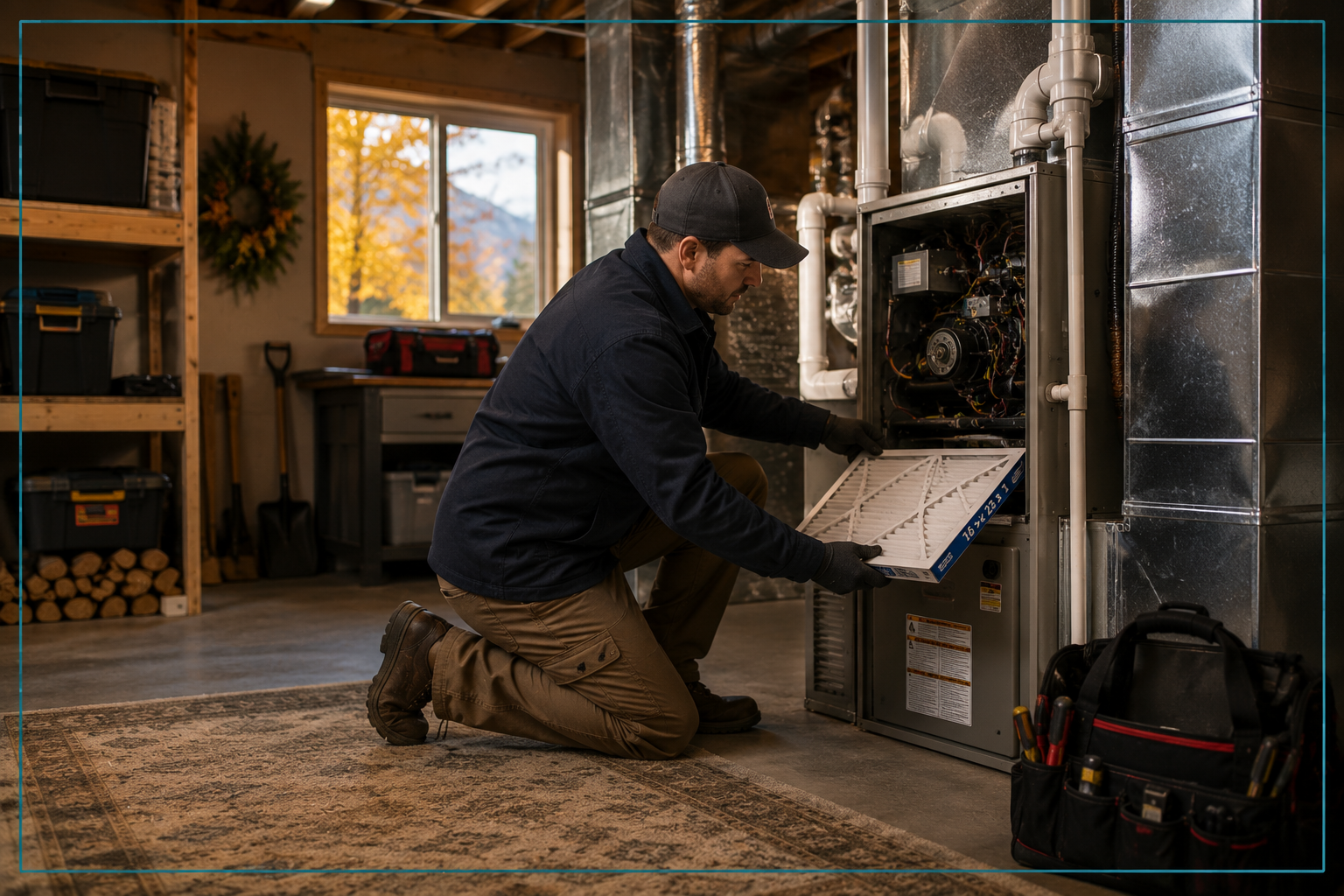
Home Maintenance, Season by Season
A spring-through-winter checklist tuned for Front Range homes.
Read →Radon in Colorado
Why half of Colorado homes test high, county-by-county numbers, and what testing and mitigation really cost — with sources.
Read →Plumbing
Plumbing issues are some of the most common — and most expensive — problems we find. Here’s what we actually look at during an inspection, what tends to go wrong, and what you can stay ahead of yourself.
Read →Concerned about your older & historic homes?
We’ll give your home a thorough, plain-English inspection and flag anything worth a closer look.