Outdoor Safety & Yard.
The outside of your home is more than curb appeal — decks, grading, trees, and defensible space are real safety and maintenance concerns, especially in the mountains. Here’s what we look at and what you can manage.
What we check during an inspection
We evaluate the accessible exterior elements that affect safety and the home’s relationship with water.
✓ Decks & balconies
We check ledger attachment, railings, posts, and visible footings for rot, movement, and safe construction.
✓ Grading & drainage
We look at how the soil slopes around the home and whether water is directed away from the foundation.
✓ Walks, steps & drives
We note trip hazards, settling, and significant cracking.
✓ Exterior structures
We visually review sheds and retaining walls for condition and movement.
✓ Vegetation near the home
We flag trees and shrubs in contact with siding or roof.
✓ Exterior electrical & lighting
We check exterior outlets for GFCI protection and note lighting/safety concerns.
Common problems we find
✓ Improper deck ledgers
Poorly attached or unflashed ledgers are a leading cause of deck collapse — a serious safety issue.
✓ Unsafe railings
Loose, low, or wide-spaced railings, especially on older decks and stairs.
✓ Negative grading
Soil sloping toward the house, sending water straight to the foundation.
✓ Overgrown vegetation
Plants against the siding trap moisture, invite pests, and raise fire risk.
✓ Trip hazards
Settled or heaved walkways and steps.
✓ Failing retaining walls
Leaning, bulging, or cracked walls that may be losing their hold.
What you can maintain yourself
✓ Inspect the deck each spring
Check boards, railings, and fasteners; reseal wood to fight sun and snow.
✓ Keep water moving away
Maintain grading sloped away from the home and extend downspouts.
✓ Trim back vegetation
Keep plants and branches off the siding and roof.
✓ Maintain defensible space
Clear the first 5 feet of flammables and thin vegetation from 5–30 feet of the home.
✓ Fix hazards promptly
Address trip hazards and keep walks clear of ice in winter.
✓ Have big trees assessed
Get large or dead trees near the house evaluated by an arborist.
Yards and exteriors in the foothills
✓ Wildfire is a design constraint
In the WUI (wildland-urban interface) around Evergreen, defensible space isn’t landscaping advice — it’s survivability and, increasingly, insurability. The first five feet around the house matter most.
✓ Decks take a beating
Intense UV, freeze-thaw, and snow sitting on horizontal surfaces age Front Range decks fast. Unsealed wood grays and checks in a few seasons; fastener corrosion follows.
✓ Freeze-thaw moves flatwork
Our daily winter freeze-thaw cycles heave walkways, driveways, and steps more than most climates. Small offsets become trip hazards quickly; keeping joints sealed slows it down.
✓ Wildlife is part of the yard
Bears test trash storage, elk rub young trees, and voles tunnel irrigated lawns. It sounds charming until the deck railing is loose — we look for the damage side of cohabiting.
Common questions
What makes a deck unsafe?
The failure that hurts people is the ledger — the board bolting the deck to the house. It needs through-bolts or structural screws (not just nails) and proper flashing. Add loose or low railings (under 36"), baluster gaps over 4", rotted posts, and undersized stair stringers — that list covers most of what we write up.
What is defensible space and how much do I need?
It’s vegetation management in zones: Zone 0 (0–5 ft) should be essentially non-combustible — no mulch beds, junipers, or firewood against the wall; Zone 1 (5–30 ft) thinned and “lean and green”; Zone 2 (30–100 ft) with tree crowns separated. Colorado State Forest Service publishes the full standards, and insurers increasingly inspect for them.
Why does the ground need to slope away from my house?
Because water that reaches the foundation is behind most basement, crawlspace, and structural problems we find. Aim for about 6 inches of fall in the first 10 feet, with downspouts extended 4–6 feet. On expansive Front Range clay, keeping foundation moisture steady matters twice as much.
Are retaining walls something an inspection covers?
We evaluate what’s visible: leaning, bulging, cracking, and drainage behavior. Walls over about four feet should have been engineered and permitted. Foothills lots rely on retaining walls more than most — a failing wall above the house or driveway is a bigger deal than the same wall in a flat yard.
When should a tree near the house come down?
Dead, dying, or beetle-hit trees within striking distance of the house or driveway deserve an arborist’s call, not a wait-and-see. In fire country, also look at ladder fuels — low branches under bigger trees. Between bark beetles and heavy spring snows, standing dead pine near a foothills house is a genuinely bad bet.
This guide is for general education. It reflects what we look for during a home inspection, not a substitute for a licensed professional. If you have a specific concern, please contact a qualified contractor or arborist — and of course, we’re always happy to take a look during an inspection.
More from our guides
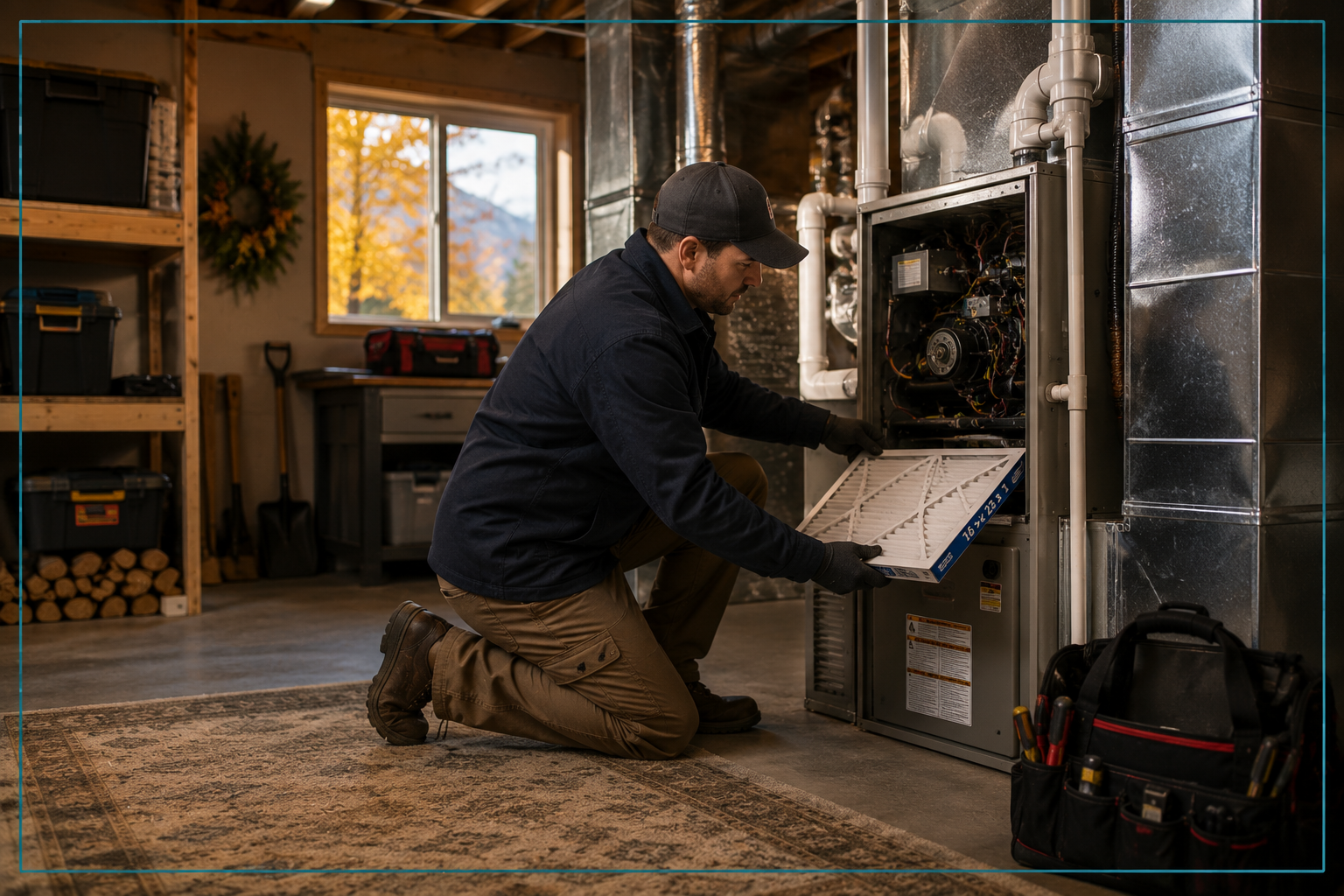
Home Maintenance, Season by Season
A spring-through-winter checklist tuned for Front Range homes.
Read →Radon in Colorado
Why half of Colorado homes test high, county-by-county numbers, and what testing and mitigation really cost — with sources.
Read →Plumbing
Plumbing issues are some of the most common — and most expensive — problems we find. Here’s what we actually look at during an inspection, what tends to go wrong, and what you can stay ahead of yourself.
Read →Concerned about your outdoor safety & yard?
We’ll give your home a thorough, plain-English inspection and flag anything worth a closer look.